
How to Get Around the Canary Islands: Transport Guide
Flights, ferries, car rental and buses — the resident rules for inter-island and on-island transport in the Canaries.
The resident's transport logic
People who live here hop between islands constantly, and the rule is simple: if the crossing is under an hour and the ferry runs several times a day, take the ferry; if the islands are far apart, fly. The water routes that matter are Tenerife–La Gomera (50 minutes, the archipelago's commuter line), Lanzarote–La Graciosa (25 minutes) and the longer but still civilised links between the eastern islands. Binter and Canaryfly cover the rest with flights of 20–60 minutes that cost little more than a taxi across the island — the practical choice for La Palma and El Hierro, and the fastest way to combine, say, Tenerife with Lanzarote.
Ferries: book the summer ones
Fred Olsen and Naviera Armas run the main routes, and both sell foot-passenger tickets that are cheaper and often all you need — day trips to La Gomera, Graciosa and the island-hopping circuits rarely require a car on the other side. The honest seasonal note: school-holiday weeks and August fill the sailings and the car decks first, so book ahead then, and check the operator's app on the day, because swell can reshuffle schedules in winter.
On each island: car, bus, or the right base
A rental car is the most useful single decision on any island beyond the resort: it opens trailheads, villages and viewpoints that the bus network never reaches. The guaguas are cheap and honest on the main corridors — airports to resorts, Las Palmas to Maspalomas, Santa Cruz to the north — and useless for spontaneous mountain days. The resident trick is matching transport to the plan: bus for the beach weeks, car for the exploring weeks, and a tour for the days nobody should drive (Teide at sunset, Masca, the Garajonay circuit).
The islands where the car stops
Two places reset the rules. La Graciosa has no rental cars at all — bikes and your feet, with authorised buggies as the only motorised option — which is precisely why it still feels like the islands looked fifty years ago. And in the old centres — La Laguna, Vegueta in Las Palmas, the villages of the north — parking is the fight nobody wants; the locals' habit of parking once and walking is a survival skill, not a preference.
Frequently asked questions
Is it easy to travel between the Canary Islands?
Yes — the archipelago's inter-island network is a daily part of life here. Ferries cover the close pairs, flights the rest, and both are bookable online.
Should you take a car on the ferry between islands?
Only when the island needs it. Day trips and city-to-city hops are cheaper and easier as foot passengers; multi-island driving holidays justify the car deck.
Compare recommended experiences
We select these options for relevance and traveller fit. Some booking links are affiliate links, so we may earn a commission at no extra cost to you. How our recommendations work.
Tenerife
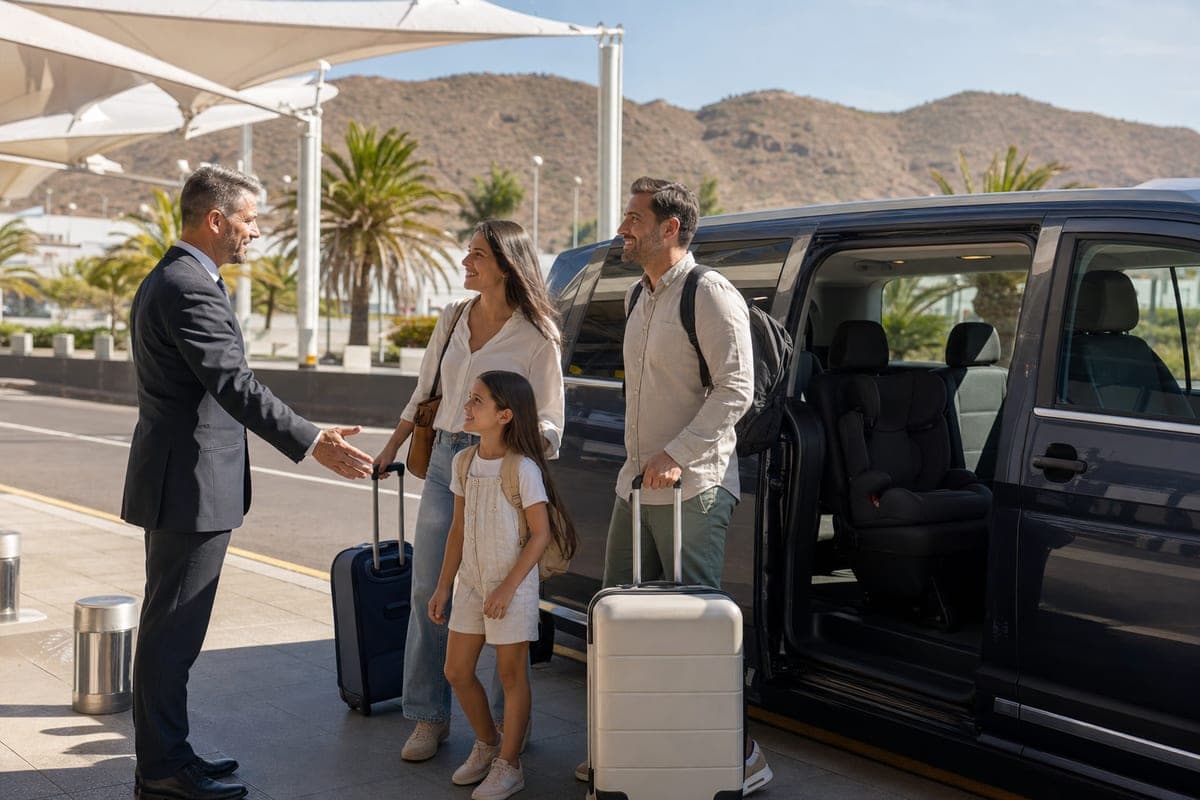
Private Transfer from Tenerife South Airport to Your Hotel
Pre-book a private vehicle from Tenerife South Airport (TFS) to your accommodation, with the route and pickup arranged before arrival.
- Meet & greet
- Flight tracking
Gran Canaria
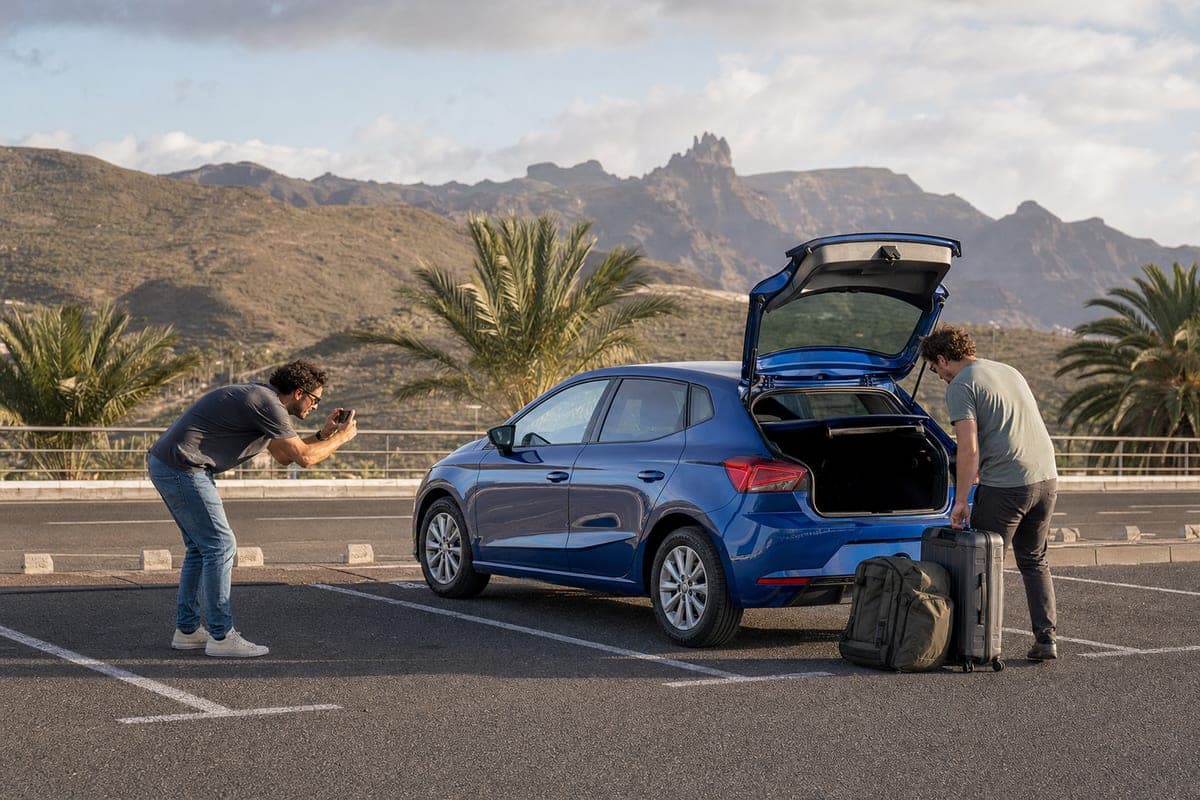
Compare Car Rental at Gran Canaria Airport (LPA)
Compare current car-rental offers at Gran Canaria Airport, including supplier ratings, pickup location, deposit and rental conditions.
- LPA-specific offers
- Supplier ratings
La Gomera
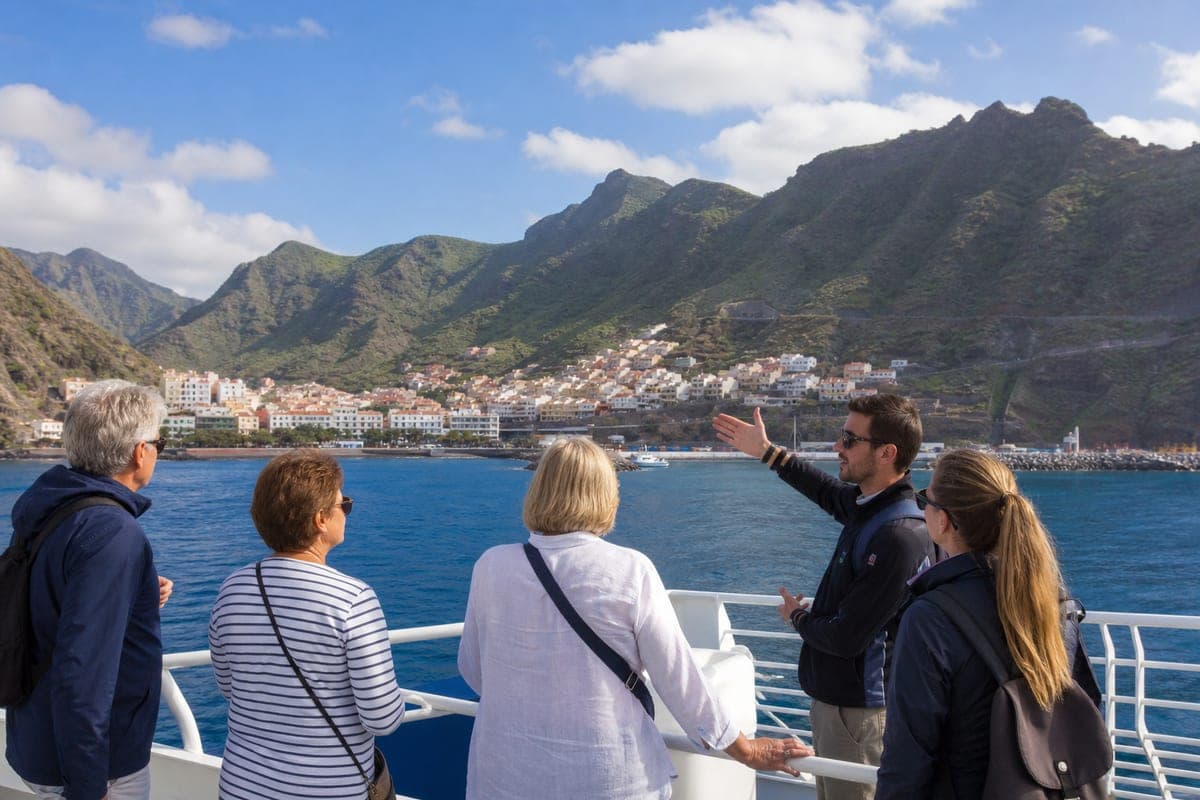
La Gomera Small-Group Day Trip from Tenerife
Explore La Gomera from Tenerife in a small group of up to 18 travelers, with return ferry, selected south-Tenerife pickup and a guided island route.
- Maximum 18 travelers
- Return ferry
La Graciosa
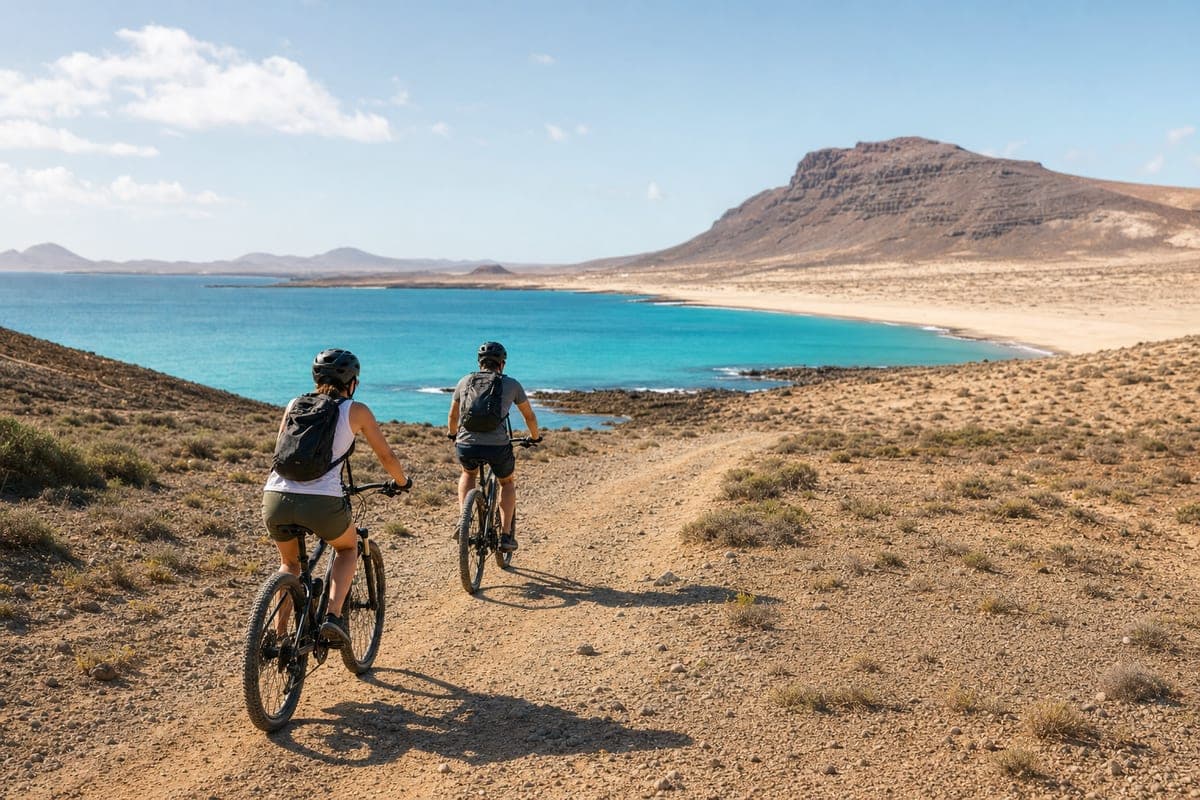
La Graciosa Mountain Bike Rental
Rent a mountain bike in Caleta de Sebo and explore La Graciosa's beaches and volcanic tracks at your own pace.
- Mountain bike
- Full-day rental
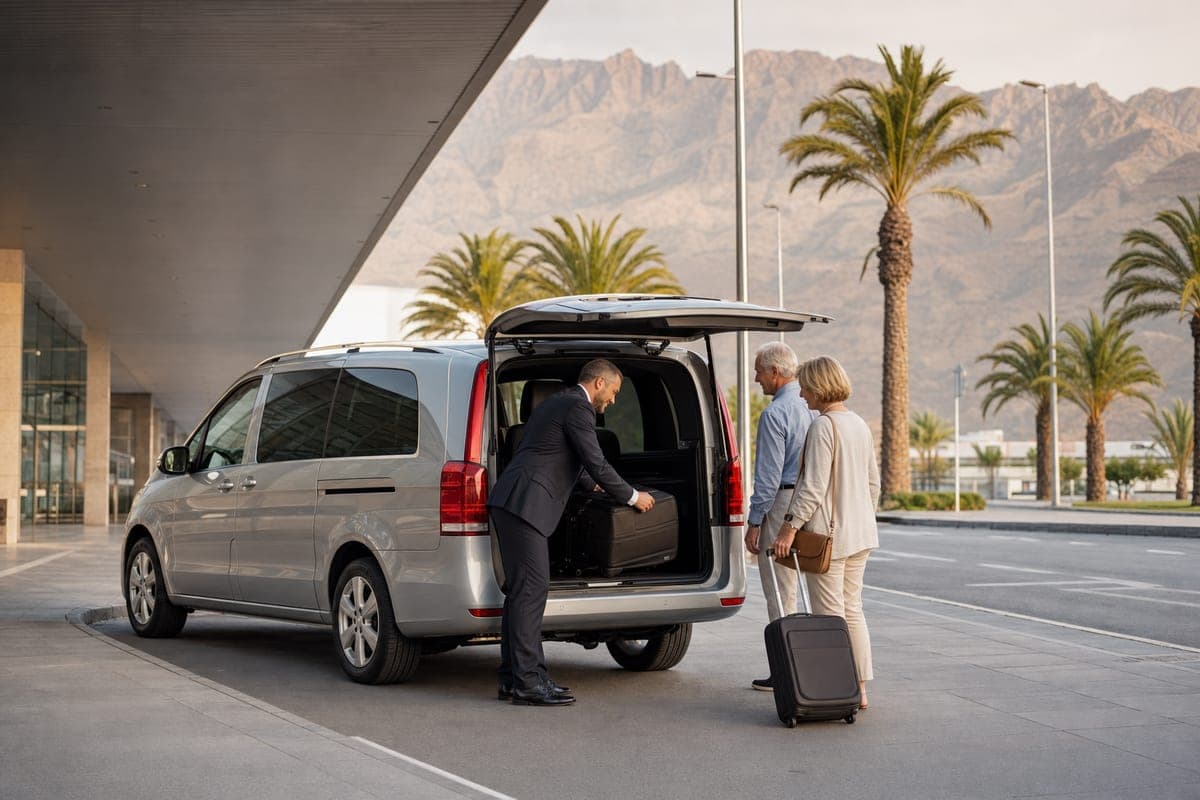
Gran Canaria
Private Transfer from Gran Canaria Airport to Your Hotel
Pre-book a private vehicle from Gran Canaria Airport (LPA) to your accommodation, with the route and pickup arranged before arrival.
- Meet & greet
- Flight tracking
Continue planning
- La Geria Wine Route: Wineries & ToursPlan Lanzarote's volcanic wine route through La Geria, choose winery visits responsibly and combine the landscape with Timanfaya.2 min read
- La Gomera Day Trip: Ferry, Forests & WhalesHow to visit La Gomera from Tenerife in one day — ferry routes, Garajonay forest, the whistled language and why the return ferry is sacred.3 min read
- La Graciosa Day Trip: Car-Free Island ParadiseHow to visit the eighth Canary Island from Lanzarote — the 25-minute ferry, bikes on sand tracks, empty beaches and what to take.2 min read
- La Palma Itinerary: 3, 5 or 7 DaysPlan Caldera de Taburiente, Roque de los Muchachos, volcanic landscapes, forests and beaches with realistic La Palma drives.2 min read
- La Palma with Kids: Practical Family GuidePlan short forest walks, family beaches, volcanic viewpoints and stargazing on La Palma without overloading children.2 min read
- Papagayo Beaches: Access, Parking & CovesPlan a day at Lanzarote's Papagayo coves, including road and walking access, parking, facilities, sea conditions and nearby Playa Blanca.4 min read
- What to Eat in Fuerteventura: Local Food GuideTry Majorero cheese, goat, fresh fish, gofio, papas and island produce with practical advice on provenance and rural food stops.2 min read
- What to Eat in La Palma: Local Food GuideTry Palmerian cheese, mojo, chicharrones, fish, goat, almonds, Príncipe Alberto, wines and traditional sweets.2 min read
- Where to Stay in Fuerteventura (2026)Compare Corralejo, Caleta de Fuste, Costa Calma, Morro Jable and quieter Fuerteventura bases by beaches, transport and atmosphere.2 min read
- Where to Stay in La Palma (2026)Compare Santa Cruz, Los Cancajos, Los Llanos, Tazacorte and rural La Palma by hiking access, weather and driving time.2 min read