
Best Time to Visit the Canary Islands
Month-by-month weather, sea temperatures, wind and calima patterns, and when islanders would actually book their trip.
Winter: the escape season, done honestly
December to February is when the Canaries earn their nickname — 20-22°C on the south coasts while the UK shivers — and it is the reason the islands fill with British families. The honest details residents mention: the sun is low and the evenings cool fast, so the shorts-and-tee photos happen between 11am and 4pm, and the sea stays bracing at 18-19°C, which the locals do not swim in without a wetsuit. Christmas, February half-term and Easter sell the island out first, and that means flights, car hire and the popular tours priced at their peak. If you come in winter, book Teide, whale-watching and jeep trips at least two weeks ahead and treat the north coasts — where winter cloud can sit for days — as the gamble they are.
Spring: the season when the islands glow
March to May is the quiet perfection window residents recommend to friends who ask. The days warm to 24-26°C, the skies stay clear and stable, the landscape is at its greenest after the winter rains, and the crowds have thinned out. The sea is still swimmer-friendly from April. It is also the best hiking season of the year: the trade winds have not built to their summer strength, so the mountain trails, Teide day trips and the north-coast roads are saner. The only appointment worth keeping in spring is Easter itself — the week around it behaves like Christmas.
Summer: still no heatwave — if you pick the right side
June to August brings the reliably hot months, but the trade winds are the real weather system of a Canarian summer. Fuerteventura and Lanzarote sit in a constant breeze that is heaven for kite surfers and a sand-in-the-face nuisance for sunbathers; the south-west coasts of Tenerife and Gran Canaria shelter behind the mountains, which is why the resorts there feel like proper beach summer. The sea peaks at 23-24°C and the evenings are long. The hacks locals use: morning beach before the wind arrives, sunset on the west-facing coves, and a hoodie for the supper hour, because the wind drops and the nights go sharp. August gets busier with holidaymakers from mainland Spain and can push southern prices to winter levels.
Autumn: the residents' best-kept secret
September to November is what I tell family to book. The sea is at its warmest — 23-24°C, sometimes warmer than the air at night — the summer crowds have gone, the resorts go quiet, and the weather holds a comfortable 24-27°C into October. September sees occasional tropical-feeling showers that the locals treat as news and the beaches forgive in an hour. Late October and November begin the rhythm of harvest festivals, wine season in the north, and king prawns on restaurant chalkboards. The one autumn risk is calima — the Saharan dust that can haze the sky for two or three days — which is not dangerous, just disappointing for photo plans; check the AEMET outlook before booking outdoor days, and always have the sunset-on-the-other-coast plan handy.
Wind, calima and the other advice guides skip
Every island has two climates: the windward north and east, green and cloudier, and the sheltered south and west, sunny and calm. The trade winds blow hardest June to August, strongest in Fuerteventura and Lanzarote, which makes those islands the Canarian wind-sports mecca — and their beaches better for kites than towels. Calima is the Saharan dust event that cuts visibility for a few days and rarely lasts long; it affects Teide sunsets and stargazing nights most, so check the daily AEMET forecast rather than panicking about a blip. For beach-first holidays the resident rule of thumb is: Tenerife and Gran Canaria for shelter in summer, Lanzarote and Fuerteventura for autumn and spring, and any island in September for the best balance of everything.
Compare recommended experiences
We select these options for relevance and traveller fit. Some booking links are affiliate links, so we may earn a commission at no extra cost to you. How our recommendations work.
Tenerife
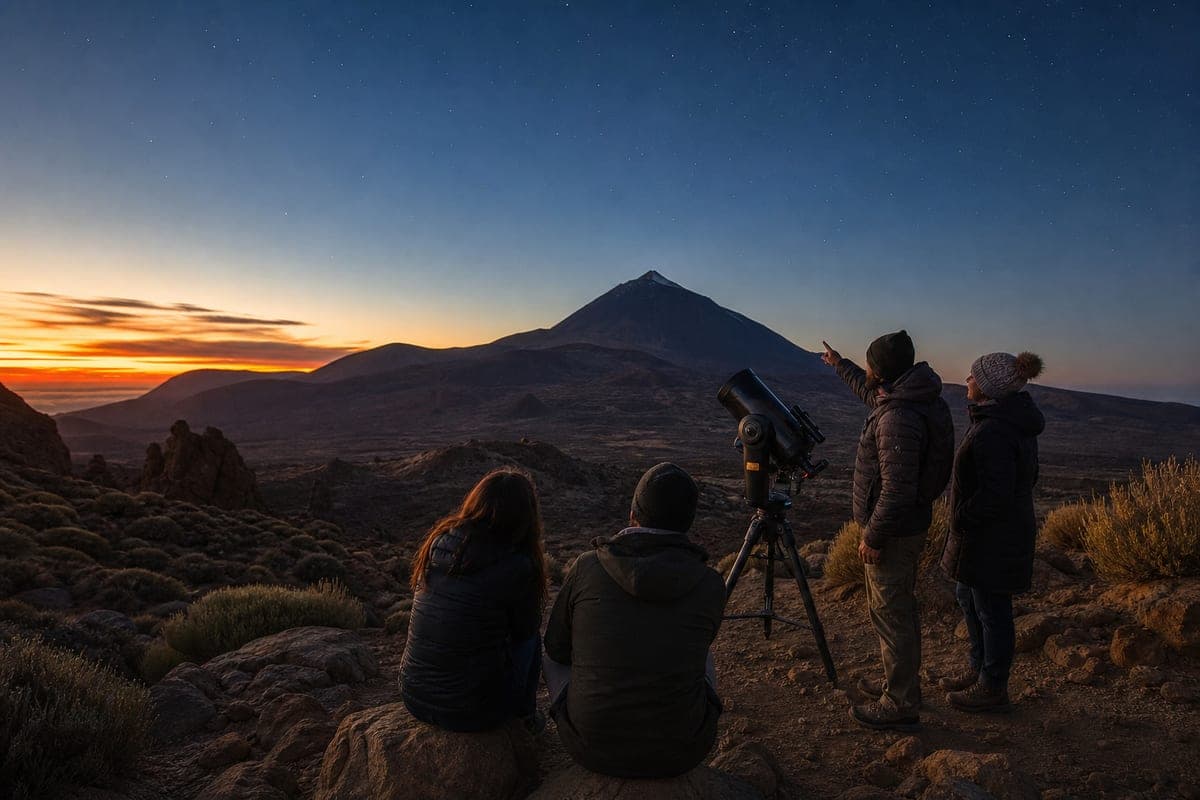
Teide Sunset, Dinner & Stargazing Coach Tour
South Tenerife coach tour with a sunset toast, optional Canarian dinner and guided stargazing using high-powered telescopes.
- Sunset toast
- Dinner option
Tenerife
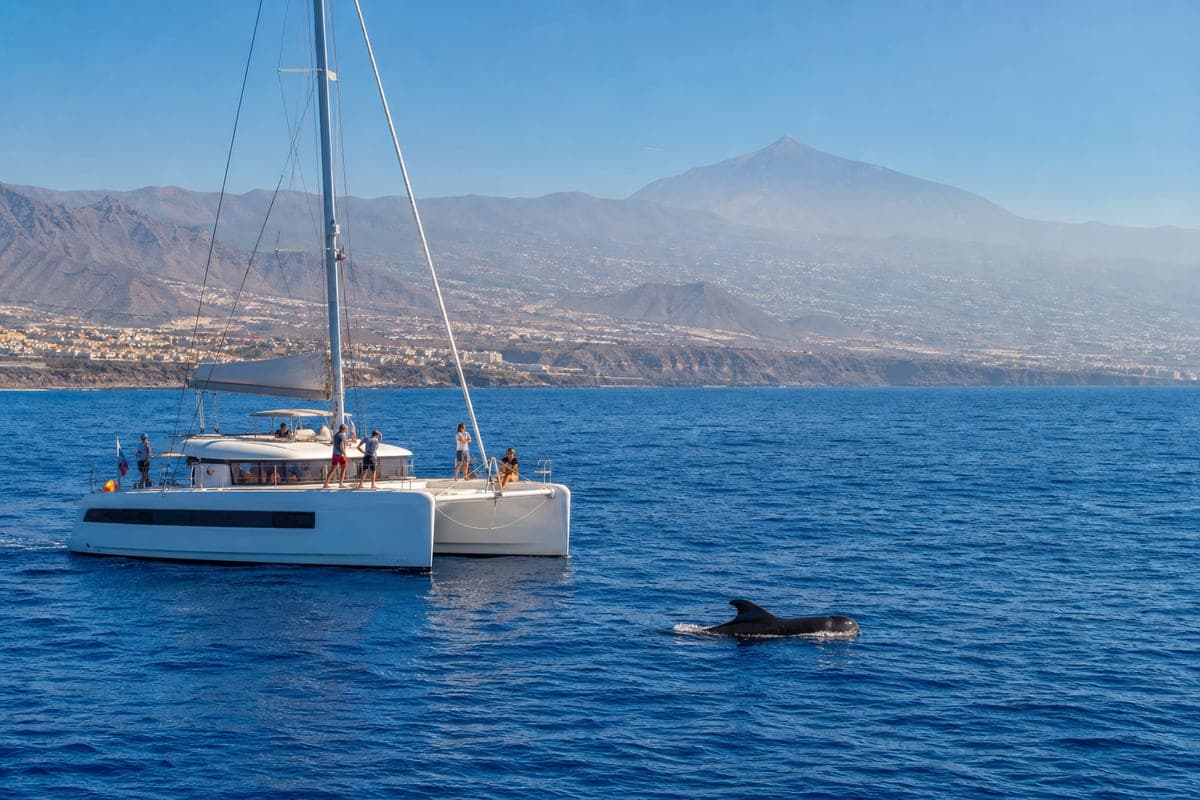
Luxury Small-Group Catamaran Whale Watching from Costa Adeje
Three-hour small-group catamaran trip from Costa Adeje with whale and dolphin watching, food, drinks and a swimming stop when conditions allow.
- Whales and dolphins
- Small group
Fuerteventura
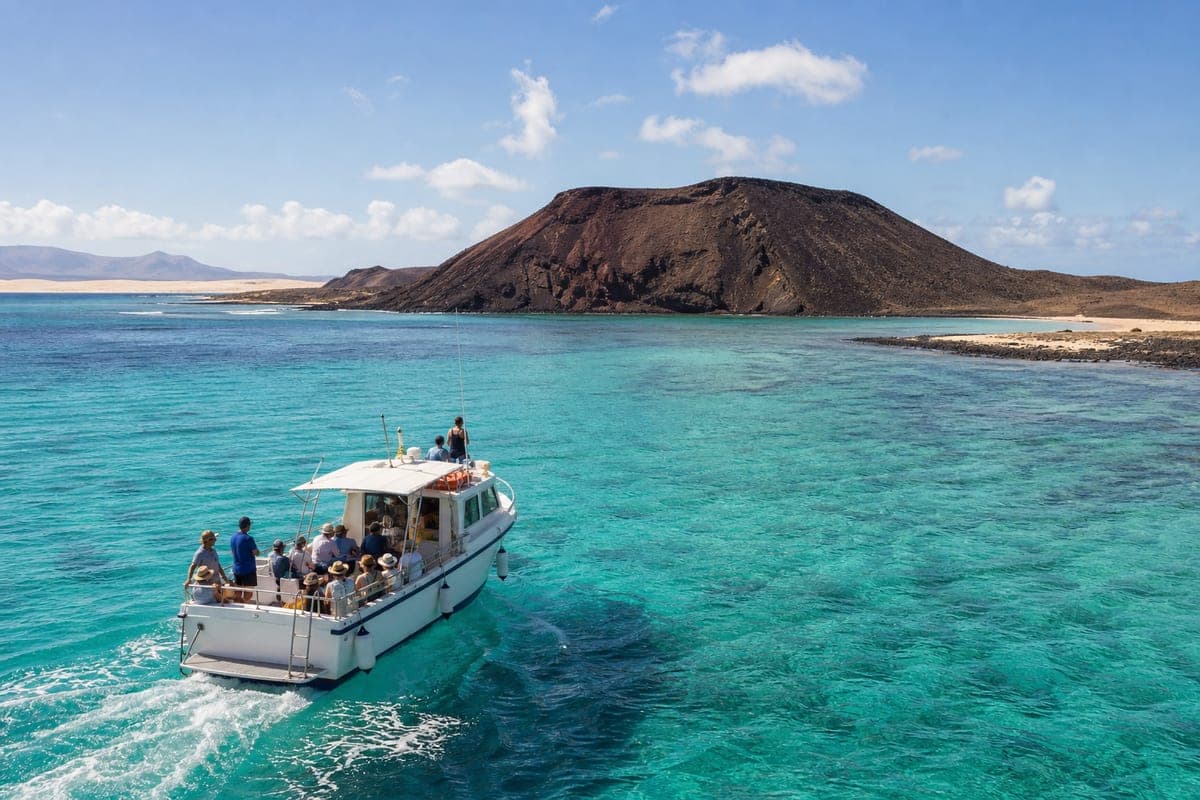
Fuerteventura Lobos Island Boat Trip
Short boat crossing from Corralejo to Isla de Lobos with snorkeling and nature walk.
- Snorkeling gear
- Nature reserve
Continue planning
- Fuerteventura Itinerary: 3, 5 or 7 DaysThree days from Corralejo or Morro Jable, five with Lobos, seven with Cofete: a resident's Fuerteventura plan built around wind, ferries and short drives.2 min read
- Fuerteventura with Kids: Practical Family GuideChoose family beaches, bases and realistic activities for a Fuerteventura holiday with babies, children or teenagers.2 min read
- Getting Around El Hierro (2026)Plan El Hierro by rental car, bus, taxi or transfer from VDE airport and La Estaca ferry port.2 min read
- Getting Around Fuerteventura (2026)Compare TIADHE buses, rental cars, airport transfers and tours for travelling around long, sparsely populated Fuerteventura.3 min read
- Getting Around La Gomera (2026)Plan La Gomera by rental car, guagua, taxi, ferry or tour while accounting for steep radial roads and hiking transfers.2 min read
- Getting Around La Palma (2026)Plan La Palma by rental car, bus, taxi or hiking transfer while accounting for steep roads, tunnels and trail logistics.2 min read
- Jameos del Agua Tickets & Visitor GuideChoose between general admission, Casa de los Volcanes and the Insólita experience, with practical access and timing advice.2 min read
- La Geria Wine Route: Wineries & ToursPlan Lanzarote's volcanic wine route through La Geria, choose winery visits responsibly and combine the landscape with Timanfaya.2 min read
- La Gomera Day Trip: Ferry, Forests & WhalesHow to visit La Gomera from Tenerife in one day — ferry routes, Garajonay forest, the whistled language and why the return ferry is sacred.3 min read
- La Gomera Itinerary: 3, 5 or 7 DaysCombine Garajonay, Valle Gran Rey, northern villages, viewpoints and coastal time without underestimating La Gomera roads.2 min read