
La Palma Travel Guide: Hiking, Stars & Volcanoes
Everything you need to plan a trip to La Palma — Caldera de Taburiente, stargazing, the Tajogaite eruption route and practical driving advice.
Some links in this guide are affiliate links: if you book through them we may earn a commission at no extra cost to you. It never changes what we recommend. Full disclosure.
Chosen your area? Check stays for your dates
Open the La Palma search, narrow it to your chosen town and enter your dates. Compare the total for your whole stay, cancellation terms and the exact location of the property.
Search stays on Booking.com ↗Affiliate link: we may earn a commission at no extra cost to you.
A car is close to essential on La Palma, and mountain roads take longer than the map suggests. Compare La Palma car hire ↗
The Caldera: the island's beating heart
Caldera de Taburiente is not a volcano crater despite the name — it is an enormous erosion bowl where the island's oldest rocks stand in a ring around a green floor of forests and waterfalls. The honest sell: the interior trails are the finest mountain walking in the archipelago, but the road in the park is one dead-end, so most visits are either a viewpoint walk, a day hike onto the rim, or the classic hike from Los Brecitos down through the crater, reached by the morning taxis from the Barranco de las Angustias car park. Whatever you choose, start early: cloud builds over the summit ridge by midday and steals the views that justify the drive. If you plan to drive to the La Cumbrecita viewpoint, book the free parking slot first: access is regulated from 08:30 to 16:00, and bookings open a month ahead.
Stargazing above the sea of clouds
La Palma's skies are protected as a Starlight Reserve, and the reason is visible every afternoon: the north side of the island fills with a smooth sea of cloud that the mountains poke through, leaving the heights above it in dry, transparent air. The Roque de los Muchachos observatory sits in the middle of it. You cannot wander into the observatory — visits are controlled — but guided stargazing tours run from the pine forest below the summit and earn their keep: telescopes, blankets against the cold and someone who can point out a satellite crossing the crater rim. At 2,400 metres it is cold every month of the year; bring the jacket you would not wear on the beach.
The Tajogaite route: walking through 2021
The 2021 eruption reshaped the island in living memory, and the guided walks over the new lava fields are La Palma's most moving experience — black ground still hot enough in places to steam after rain, the remains of houses and vineyards standing half-buried at the flow's edge. It deserves solemnity, not spectacle: these walks are allowed on marked routes with guides who know the ground. The visitors centre in Los Llanos explains the geology and the effect on the communities that lost their homes; visit it before the walk and the day reads differently.
Two islands in one: the green north and the sunny south
La Palma splits its personality by altitude and coast. The north and the highlands stay green and cloudy, which is exactly why the forests and the stargazing exist; the south-west around Los Llanos, Tazacorte and Fuencaliente gets the settled sun, the banana terraces and the island's most usable beaches. Residents plan days around it: warm beach morning in the south, pine-forest lunch above the clouds, sunset from a viewpoint over the western cliffs. The two halves are an hour apart by road, and the road is the attraction if you are not in a hurry.
Driving La Palma honestly
Distances on the island map are small and drive times are not. The LP-1 and LP-2 climb through hairpins for 20 minutes just to get from the coast towns to the ridge, and unsealed tracks to viewpoints are common. Rent from the airport and accept slower days. One morning per trip is worth surrendering to the old guard: coffee in a Los Llanos cafe, watching the day burn off the summit, then leaving after the clouds do.
Frequently asked questions
How many days do you need in La Palma?
Three days cover the Caldera, a stargazing night and the Tajogaite route; a week allows the north coast, the southern beaches and the slower pace the island rewards.
Can you visit La Palma without a car?
Strictly, yes — the airport and main towns connect — but trailheads, viewpoints and stargazing sites are spread across the mountains, and tours or a rental car make the difference between visiting and travelling.
Compare recommended experiences
We select these options for relevance and traveller fit. Some booking links are affiliate links, so we may earn a commission at no extra cost to you. How our recommendations work.
La Palma
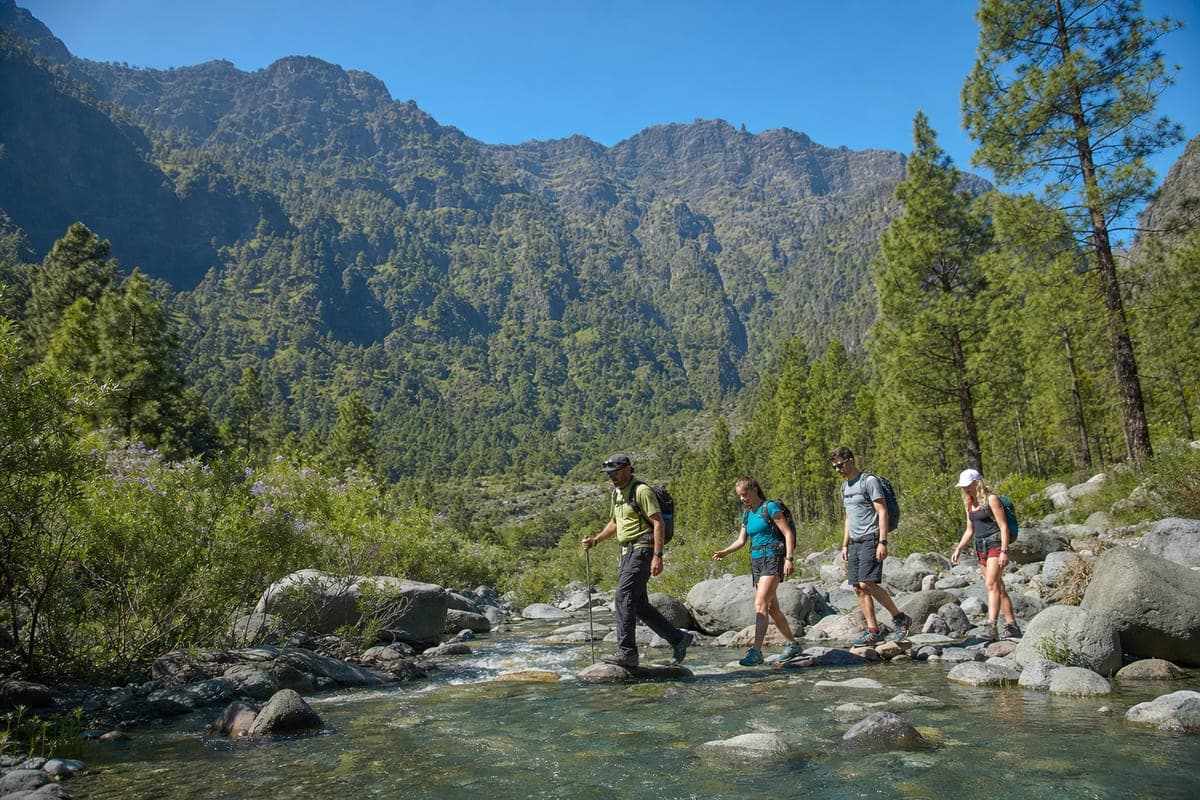
La Palma Caldera de Taburiente Guided Hike
Six-hour guided hike through the Caldera de Taburiente National Park, from the Los Brecitos viewpoint to the Waterfall of Colours, with bus transfer from La Palma meeting points.
- Los Brecitos start
- Waterfall of Colours
La Palma
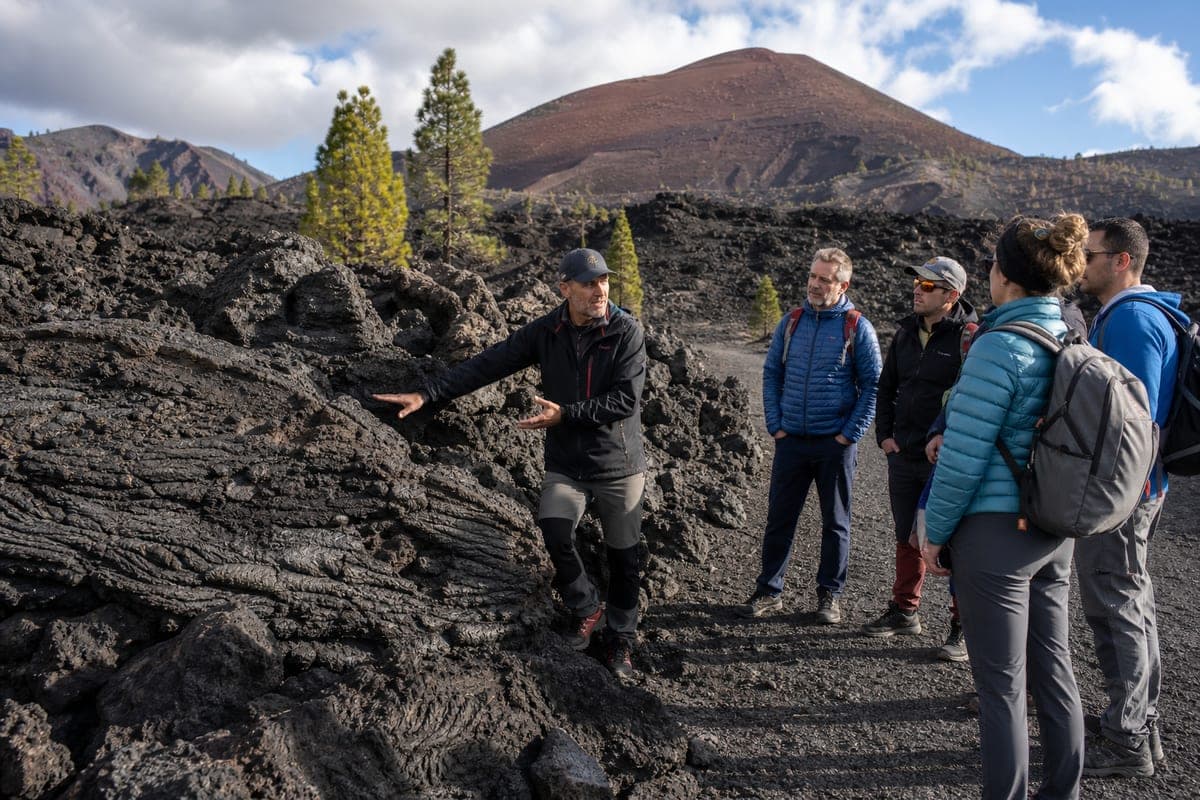
La Palma Tajogaite Volcano Essential Route
Three-hour guided walk on a 5 km circuit through ash and pine forest to a viewpoint close to the cone of Tajogaite, the volcano born in the 2021 eruption.
- 5 km circular route
- Viewpoint near the crater
La Palma
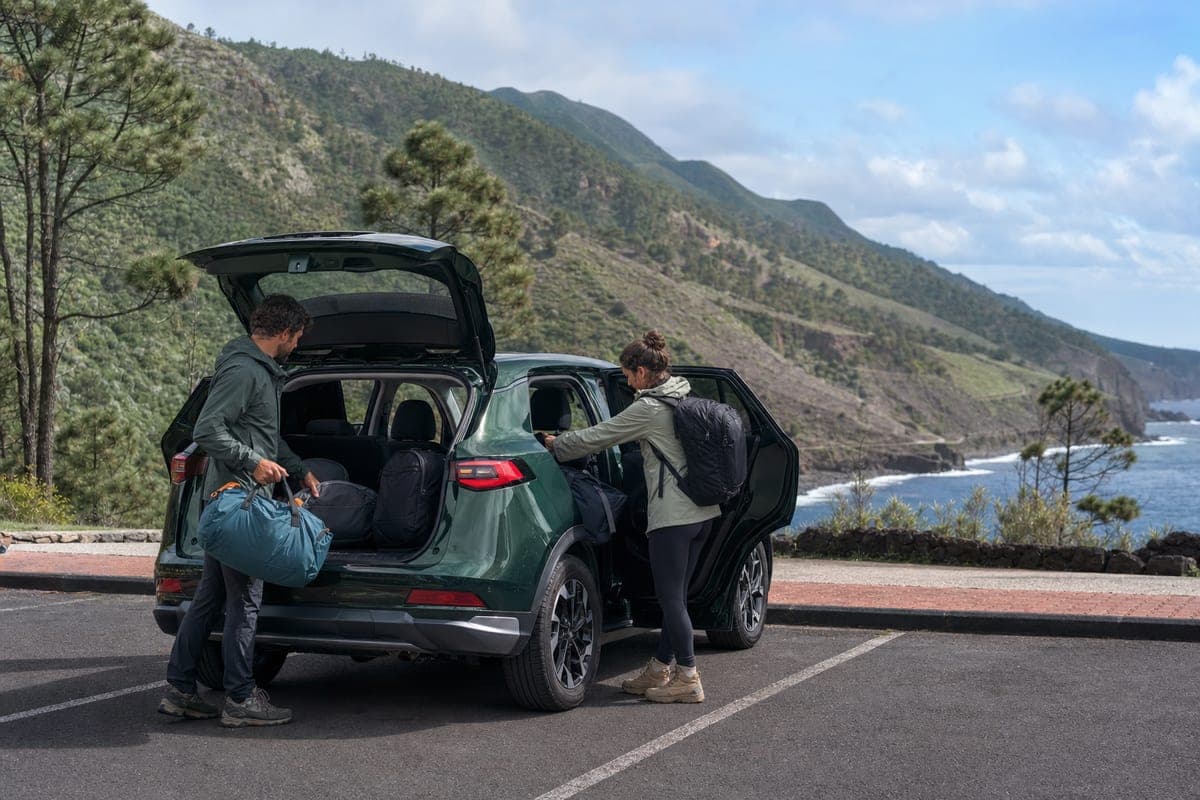
Compare Car Rental at La Palma Airport (SPC)
Compare current SPC car rental offers by total price, supplier score, deposit, pickup details and cancellation terms.
- SPC-specific offers
- Supplier ratings
La Palma
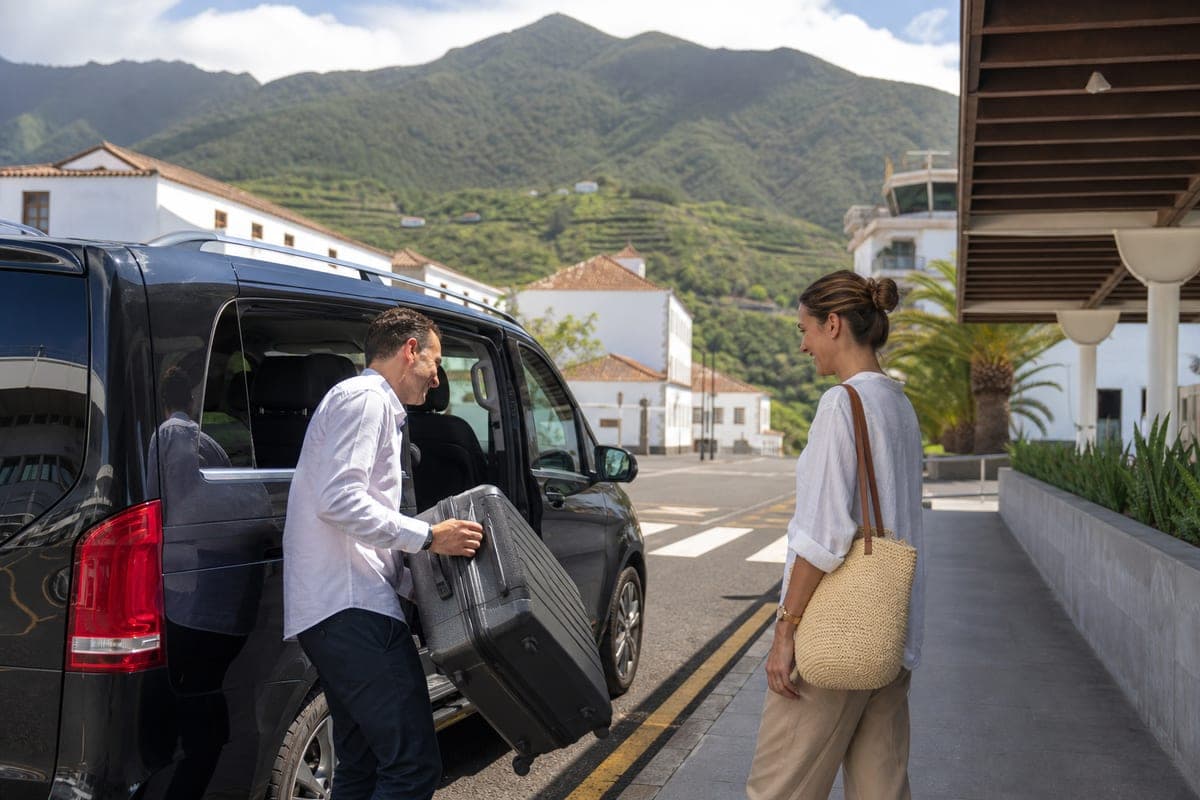
La Palma Airport Private Transfer
Private or shared transfer from SPC to Los Llanos, Santa Cruz, Puerto Naos and other La Palma destinations with a local driver.
- Private or shared
- Local drivers
Plan the rest of your La Palma trip
Useful booking links for the services currently available for this island. Attraction tickets are only shown when a specific, verified destination is available.
Find your hotel
Hotels and apartments in La Palma
Search stays →Rent a car
Compare rental cars in La Palma
Compare cars →Airport transfer
Private door-to-door taxi
Book a transfer →Travel insurance
Medical & trip cover for your Canaries trip
Get covered →Some links are affiliate links — we may earn a commission at no extra cost to you.
Planning the rest of the trip? See everything on our La Palma island page.
Continue planning
- Where to Stay in La Palma (2026)Compare Santa Cruz, Los Cancajos, Los Llanos, Tazacorte and rural La Palma by hiking access, weather and driving time.2 min read
- Getting Around La Palma (2026)Plan La Palma by rental car, bus, taxi or hiking transfer while accounting for steep roads, tunnels and trail logistics.2 min read
- La Palma Itinerary: 3, 5 or 7 DaysPlan Caldera de Taburiente, Roque de los Muchachos, volcanic landscapes, forests and beaches with realistic La Palma drives.2 min read
- La Palma with Kids: Practical Family GuidePlan short forest walks, family beaches, volcanic viewpoints and stargazing on La Palma without overloading children.2 min read
- What to Eat in La Palma: Local Food GuideTry Palmerian cheese, mojo, chicharrones, fish, goat, almonds, Príncipe Alberto, wines and traditional sweets.2 min read
- Best Time to Visit the Canary IslandsMonth-by-month weather, sea temperatures, wind and calima patterns, and when islanders would actually book their trip.3 min read